On Thursday, June 19, 2025, the documentary El petit peó premiered at Cines Can Castellet in Sant Boi de Llobregat. The 81-minute film was produced by MINIMAL FILMS I LA PERIFÈRICA, directed by Joan Gamero, and based on a screenplay by Carmen Rodríguez and Joan Gamero. It can currently be watched on Movistar.
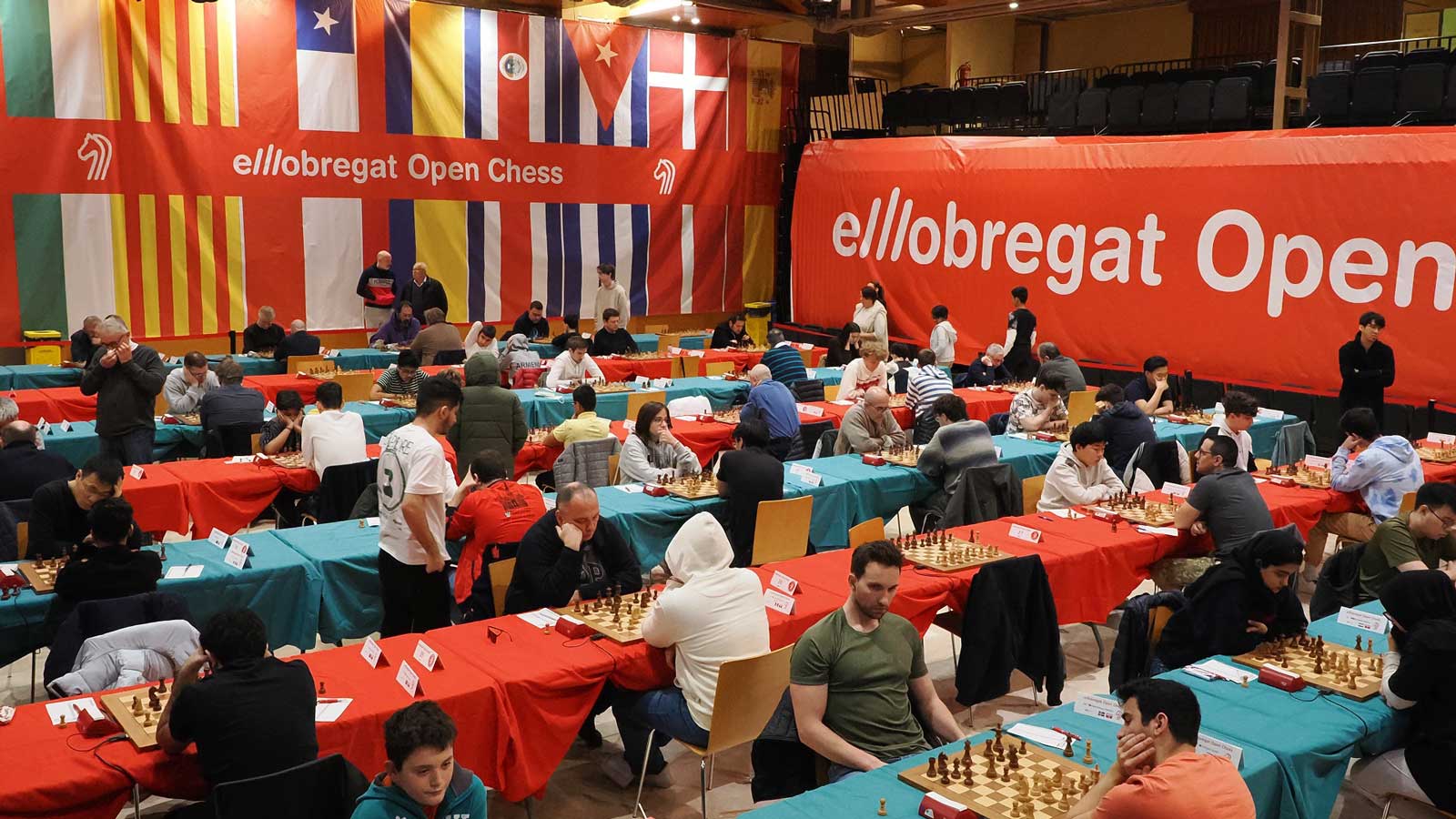
Juan Gamero visited us during several editions of EL LLOBREGAT OPEN CHESS, held in Castelldefels and Sant Boi, with the aim of interviewing masters and documenting his work on Arturo Pomar.
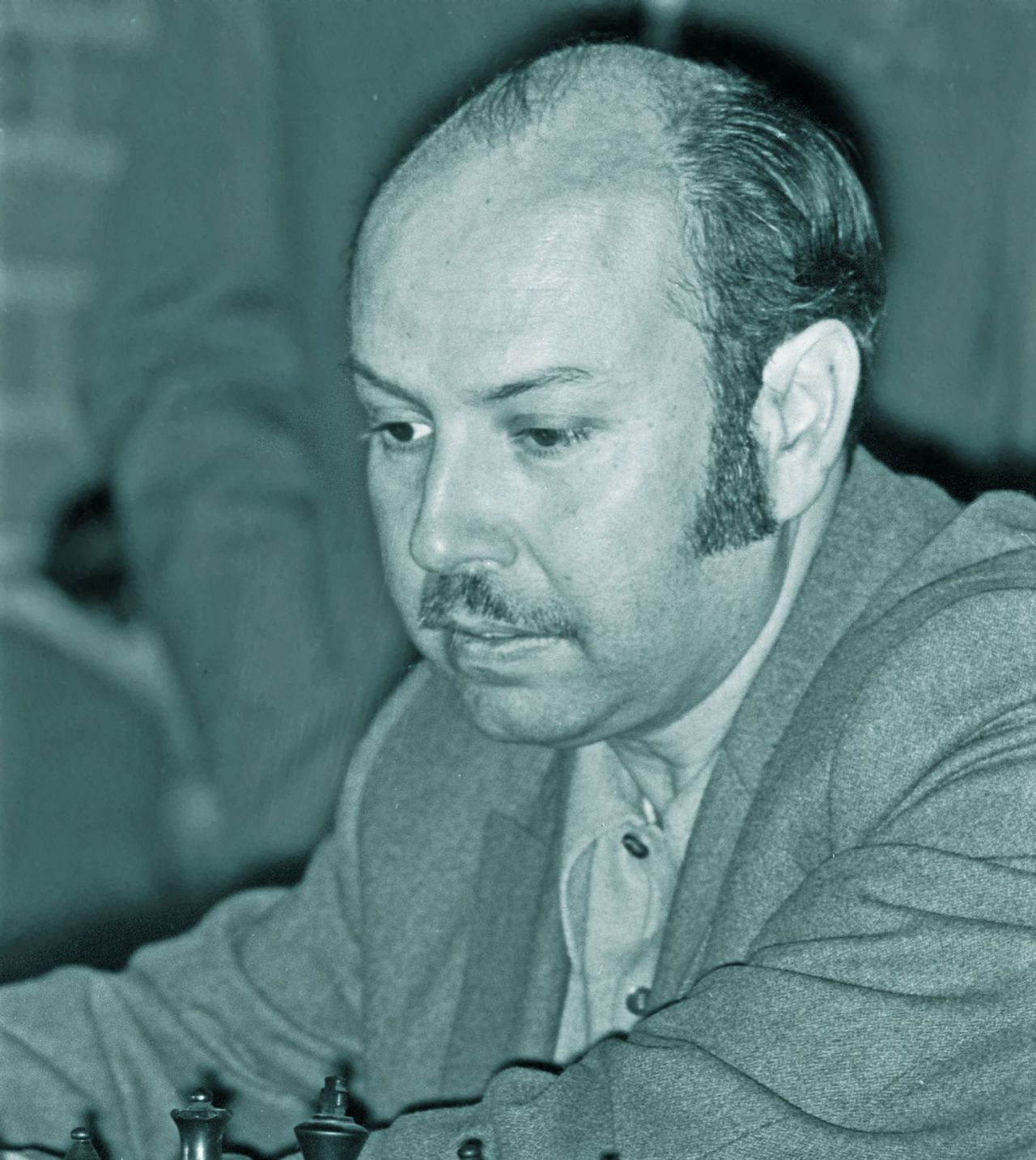
The life of Arturo Pomar has been the subject of study in recent years. It is a sad story. One of many in this country, so ungrateful to its gifted children. Paco Cerdà tells it in his novel “El peón”, published in 2023. Although it is not strictly a biography of Arturo Pomar, it recovers the story of this chess prodigy, used and later abandoned by Francoism. The novel uses the chess game between Pomar and Bobby Fischer in Stockholm in 1962 as a narrative thread to explore themes such as personal commitment, power and history. The work also explores the lives of other “pawns” of History, both in Francoist Spain and in Kennedy’s United States.
As Paco Cerdà explains, the figure of Arturito Pomar embodies the epic story of the Mallorcan child prodigy who, at just twelve years old, drew with the then world champion, Alexander Alekhine. It was on July 16, 1944, at the first International Chess Tournament of Gijón. The game, in a theoretically drawn endgame, went on because Alekhine insisted on continuing; in the early hours of the morning, the tournament arbiter, the prestigious psychiatrist and renowned chess player Dr. José Salas Martinez, decided to suspend and postpone the game: “Maître, le garçon s’endort, (Master, the boy is falling asleep); Alekhine apparently objected and protested angrily; the game was adjourned and, when it resumed, they agreed to a draw, which the world champion had refused to concede the previous night.
Arturito Pomar became a pop icon in a hungry, backward and grey country. He was the protagonist of a game that is art, science and sport; a game as brutal as boxing on a black-and-white ring, with invisible blows delivered in the mind. He was the protagonist of the drama of the antihero: the child prodigy exploited to exhaustion by Francoism and then abandoned by the regime when he needed it most. Pomar qualified to play in the Interzonal Tournament, a qualifying event for the World Championship, held in Stockholm in the winter of 1962. Pomar went to the Interzonal alone, without support from the Spanish federation, which did not provide him with a team of analysts, as Fischer and any of the other grandmasters competing in the tournament had. By that time, a thirty-year-old Pomar was no longer of interest in that Spain; he was no longer a fairground attraction useful to those in power. He had been forgotten, rewarded only with a civil service post at the Post Office. The game against Bobby Fischer ended in a draw, and at its conclusion the man who would later become world champion remarked: “Poor Spanish postman!” The doctor who treated Pomar years later comments in the documentary that the enormous effort required to play the 1962 Interzonal — competing against the best players in the world and forced to use his rest hours to prepare analyses of the games — triggered his first psychotic episode, leading to irreversible mental deterioration.
The logic of power is driven by interests that diverge from those of ordinary people. Dictatorships are even cruder and have no need to hide their indifference towards pawns: they are used while convenient and pushed aside when they are no longer useful.
GM Aleksandr Kotov (1913-1981), a distinguished chess coach in the former Soviet Union and a great theorist of the game, once said that had Pomar been born in Russia, he would have aspired to the world title.
Pomar won the title of Spanish champion on seven occasions. He received no support; the regime forgot his achievements, and a chess genius was lost to posterity. He had been born on September 1, 1931, in Palma de Mallorca and died in Barcelona on May 26, 2016.
In memory of that story and that wasted talent, and with the approval of his children, from this 2026 edition of EL LLOBREGAT OPEN CHESS onwards, we have decided to organize, alongside the master competition, an active tournament for amateur players, which will bear the name of Grandmaster Arturo Pomar.
Anyone interested can consult the open tournament regulations and the news we publish at www.elllobregat.com, by clicking on the tournament logo, which can be seen on the main page, to the right of our masthead logo.